In a significant political development in Karnataka, Chief Minister Siddaramaiah and Deputy Chief Minister DK Shivakumar have engaged in a series of high-profile meetings amid an ongoing power tussle within the state government. The latest round of discussions, popularly referred to as “Karnataka Power Breakfast 2.0,” saw CM Siddaramaiah visiting the residence of DK Shivakumar on Saturday, followed by an anticipated breakfast meeting at Shivakumar’s residence the next day.
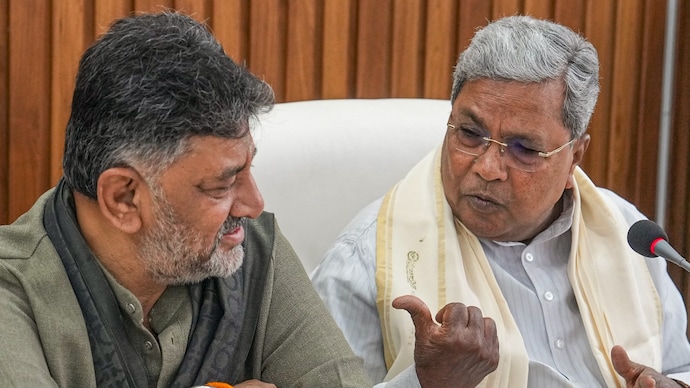
These meetings are being closely watched by political analysts, opposition parties, and the media, as they could signal important shifts in the dynamics of Karnataka’s political landscape. The ongoing tussle has raised questions about leadership roles, decision-making authority, and the balance of power within the ruling coalition.
Background: Karnataka’s Political Context
Karnataka has long been a politically vibrant state, with a history of coalition governments and leadership rivalries. Currently, Siddaramaiah leads the state government as Chief Minister, while DK Shivakumar holds the position of Deputy Chief Minister and a key leadership role in the Indian National Congress at the state level.
Recent weeks have seen speculation about differences in approach and influence between the two leaders. These differences, often framed in media reports as a “power tussle,” have sparked debates about governance, administrative priorities, and party unity. Both leaders, however, have publicly stressed the importance of collaboration and working together to deliver on the state’s development agenda.
superfanline.com | casinotwins.com | eliteveggies.com
fashionnovatops.com | offspringmeds.com
The Significance of the Meetings
The “Power Breakfast” meetings are significant for several reasons:
-
Demonstrating Unity: Public appearances of both leaders meeting privately signal an attempt to show unity within the ruling party amid internal disputes. It is a strategic move to reassure party workers and the electorate that governance continues smoothly.
-
Leadership Negotiations: Behind closed doors, discussions likely cover leadership roles, portfolio distribution, and administrative responsibilities. In coalition-like scenarios or states with multiple influential leaders, such negotiations are common.
-
Policy Coordination: Karnataka faces multiple challenges, including economic development, infrastructure projects, and social welfare programs. Meetings like these allow the top leadership to align on priorities and coordinate government action efficiently.
-
Political Messaging: The symbolism of one leader visiting the residence of the other reflects respect and willingness to engage in dialogue. This can be crucial in maintaining internal party cohesion and avoiding negative media speculation.
Who Are the Key Players?
CM Siddaramaiah
Siddaramaiah has been a veteran politician in Karnataka for decades, with experience in multiple state administrations. Known for his administrative acumen and focus on social welfare schemes, he has cultivated a strong base of support within the Congress party and among voters.
Siddaramaiah’s leadership style is often described as inclusive but assertive, with a clear focus on policy outcomes and electoral performance. His interactions with party members and bureaucrats are aimed at maintaining governance stability while balancing competing interests within the party.
Deputy CM DK Shivakumar
DK Shivakumar, as the Deputy Chief Minister and a prominent Congress leader, plays a crucial role in party organization, fundraising, and electoral strategy. His influence within Karnataka politics extends to both grassroots mobilization and legislative affairs.
Shivakumar is known for his ability to navigate complex political landscapes and build coalitions within the party. His role in these meetings likely involves negotiating administrative responsibilities and asserting influence over key state decisions.
The Ongoing Power Tussle
The term “power tussle” has been widely used in media reports to describe the differences and negotiations between the CM and Deputy CM. While both leaders officially maintain that the government is functioning smoothly, the following points highlight the context of the tussle:
-
Portfolio Distribution: Disagreements over the allocation of key departments and administrative control can create friction. Both leaders have strong support bases and ambitions, making portfolio negotiations sensitive.
-
Decision-Making Authority: In coalition-style leadership structures, clarity over who has final decision-making power is essential to avoid administrative gridlock. The meetings may serve as a platform to clarify these roles.
-
Political Ambitions: Both leaders have political ambitions within the Congress party and Karnataka politics at large. Aligning personal goals with state governance is a delicate balancing act.
-
Public Perception: Any perceived discord between the CM and Deputy CM can be magnified in media coverage, affecting voter confidence and party image. Strategic meetings help manage this perception.
Media and Public Reactions
The “Power Breakfast 2.0” meetings have attracted significant attention from media outlets and political commentators. Headlines have highlighted the symbolism of reciprocal visits, interpreting them as efforts to strengthen collaboration. Social media users have debated the implications for state politics, speculating on potential portfolio changes or shifts in influence.
Political analysts suggest that while the meetings indicate negotiation, they also serve a public relations function. Demonstrating dialogue and mutual respect can stabilize the political narrative and reassure stakeholders, including party workers, legislators, and voters.
Importance for Governance
Beyond the political signaling, these meetings are crucial for governance in Karnataka. The state faces several pressing issues, including:
-
Infrastructure Development: Roads, urban planning, and transportation projects require coordinated decision-making between top leadership.
-
Economic Growth: Policies to attract investment, support industries, and boost employment depend on unified leadership and strategic planning.
-
Social Welfare Programs: Schemes for health, education, and poverty alleviation require effective oversight and coordination between ministries.
-
Crisis Management: Natural disasters, public health concerns, and law-and-order situations demand quick and cohesive responses from state leadership.
By engaging in face-to-face dialogue, Siddaramaiah and Shivakumar can address administrative bottlenecks and ensure that policies are implemented effectively, avoiding delays caused by internal disputes.
Looking Ahead
The political landscape in Karnataka is dynamic, and the outcomes of these discussions could shape the state’s governance and party strategy for months to come. Observers are watching for several potential developments:
-
Portfolio Adjustments: Changes in departmental control or administrative responsibilities may be announced following discussions.
-
Policy Announcements: Coordinated leadership could result in new initiatives or accelerated implementation of ongoing projects.
-
Party Cohesion: A visible alignment between the CM and Deputy CM may strengthen internal party unity ahead of upcoming elections.
-
Media Strategy: Both leaders are likely to manage public messaging carefully to project stability and collaboration.
Conclusion
The “Karnataka Power Breakfast 2.0” meetings between Chief Minister Siddaramaiah and Deputy Chief Minister DK Shivakumar represent more than just political courtesy. They are a reflection of the delicate balance of power, negotiation, and collaboration necessary in modern state governance. Amid speculation about a power tussle, these meetings signal a willingness to communicate, align priorities, and maintain administrative stability.
While political analysts and the public continue to debate the implications, the key takeaway is that both leaders recognize the importance of working together for the state’s development. Whether it is through portfolio negotiations, policy coordination, or strategic decision-making, these interactions are shaping Karnataka’s political and governance landscape.
As the meetings continue, residents and observers alike will be looking for tangible outcomes in governance, policy implementation, and party unity. The dialogue between Siddaramaiah and Shivakumar underscores a broader lesson in politics: effective leadership often requires negotiation, compromise, and clear communication to achieve stability and progress.