When it comes to advertising in India, few names carry as much weight as Piyush Pandey. The creative genius behind several iconic campaigns that shaped Indian marketing over the decades, Pandey is often credited with bridging the gap between emotion, simplicity, and mass connect. But one of his most impactful works wasn’t a commercial — it was a political slogan that changed the tone of an entire election: “Ab ki baar, Modi Sarkar.”
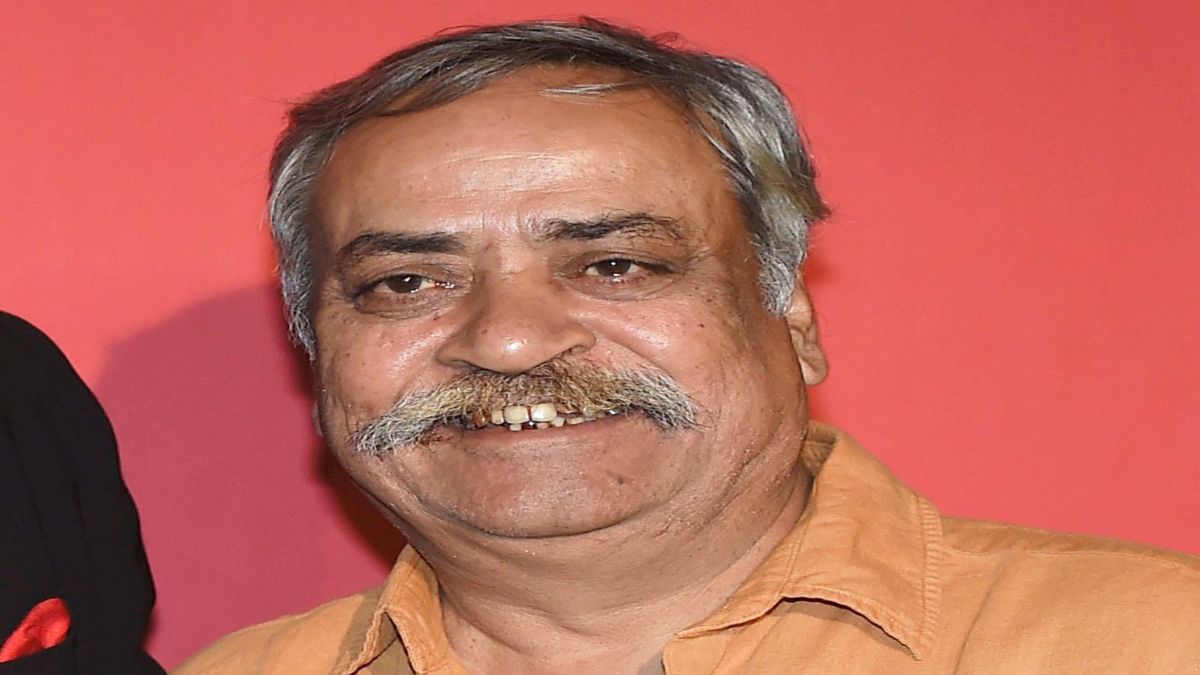) In a recent interview, Pandey opened up about the story behind this now-legendary line, revealing that he was initially hesitant to work on it. But what happened next — in just 20 minutes — created one of the most memorable and powerful slogans in Indian political history.
In a recent interview, Pandey opened up about the story behind this now-legendary line, revealing that he was initially hesitant to work on it. But what happened next — in just 20 minutes — created one of the most memorable and powerful slogans in Indian political history.
The hesitation before creation
Piyush Pandey revealed that when he was first approached to work on the campaign for the Bharatiya Janata Party (BJP) in 2014, he wasn’t entirely sure if he wanted to take it up. As a creative professional, he had always worked with brands, not political parties. There was a certain ethical and emotional weight attached to political messaging — it wasn’t just about selling a product but shaping opinions and influencing public thought.
He said he initially thought of turning it down. However, after a short conversation with senior BJP leaders and understanding the brief, he decided to give it a try. What followed next, within a span of just 20 minutes, would go on to define the tone of one of India’s most historic elections.
The birth of ‘Ab ki baar, Modi Sarkar’
Pandey recalled that the team’s goal was to create something simple, direct, and relatable — a line that could connect with both urban and rural voters. It had to reflect a mood of change and confidence while staying true to the identity of Narendra Modi, the party’s prime ministerial candidate at the time.
As he sat down with the team, the phrase “Ab ki baar, Modi Sarkar” came naturally. It wasn’t crafted through long brainstorming sessions or heavy market research — it was instinctive, spontaneous, and rhythmic. The slogan captured the national mood of the moment — one that wanted change, strong leadership, and progress.
Within minutes, everyone in the room knew they had something special. The simplicity of the slogan made it easy to remember, repeat, and relate to — exactly what a mass campaign needed.
curlysamrulez.com | checkerflagparts.com | theflycaster.com
ttamusic.com | dropshopdeals.com
From slogan to movement
Once the slogan was approved, it became the centerpiece of the BJP’s nationwide campaign. Billboards, radio jingles, TV ads, and social media posts all echoed the same line — “Ab ki baar, Modi Sarkar.”
Pandey’s agency, Ogilvy, executed the campaign with the same emotion-driven clarity that had defined his previous works. But this time, it wasn’t about a product — it was about hope and change. The line resonated so deeply that it quickly moved beyond advertising into the public lexicon.
People began chanting it at rallies, sharing it on social media, and even creating memes and parodies around it. The slogan had done what few political campaigns manage to do — it had become a cultural phenomenon.
Why it worked
According to marketing experts, the genius of “Ab ki baar, Modi Sarkar” lay in its simplicity and rhythm. The phrase was short, catchy, and carried emotional weight.
“Ab ki baar” (this time) implied that the nation had made different choices before — but now it was time for something new. “Modi Sarkar” (Modi’s government) personalized the message and created a sense of ownership and trust around the leader. It wasn’t just about voting for a party; it was about voting for a person and a promise.
The slogan managed to strike a balance between emotion and action. It was forward-looking yet grounded in people’s lived experiences, making it easy for the masses to repeat and believe in.
20 minutes that changed an election
Pandey’s revelation that the slogan was created in just 20 minutes surprised many. But for those who know his creative style, it wasn’t entirely unexpected.
He has often spoken about how some of the most iconic lines come not from long, analytical sessions but from moments of instinct and emotional understanding. In his words, “When you know your audience well, creativity becomes effortless.”
That moment of instinct — the 20 minutes that birthed “Ab ki baar, Modi Sarkar” — played a pivotal role in shaping the narrative of the 2014 general election, which ended in a historic victory for Narendra Modi and the BJP.
Legacy of the slogan
More than a decade later, “Ab ki baar, Modi Sarkar” remains one of India’s most remembered political slogans. It has been reused and adapted in subsequent election campaigns, becoming a symbol of continuity and strength for the ruling party.
Political analysts often compare it to other globally iconic slogans like Barack Obama’s “Yes We Can” or Donald Trump’s “Make America Great Again.” In India, few lines have managed to achieve that kind of mass recall and longevity.
For Pandey, the slogan is a reminder of how language can shape public emotion. While he has created countless ads over the years — from Fevicol’s witty “Dum laga ke haisha” to Cadbury’s heartwarming “Kuch khaas hai zindagi mein” — “Ab ki baar, Modi Sarkar” stands apart for its national and political impact.
Piyush Pandey’s philosophy of communication
In interviews, Pandey often emphasizes one golden rule of advertising — “Speak to people, not at them.” He believes that the best messages are those that sound like conversations, not campaigns.
That belief reflects perfectly in this slogan. It didn’t sound like a party statement; it sounded like a conversation among people — a hopeful whisper that turned into a loud call for change.
For Pandey, creativity is about empathy. “If you understand how people think, what they feel, and what they hope for, you don’t need fancy words — you just need the right ones,” he once said.
Beyond politics: The lesson for creators
The story behind “Ab ki baar, Modi Sarkar” isn’t just about politics — it’s a lesson in communication. It shows that simplicity, emotion, and timing can often be more powerful than complexity.
For brands, marketers, and communicators, Pandey’s approach offers a timeless takeaway: the best ideas are those that connect directly to the heart, in the language people speak and understand.
Conclusion
From hesitation to history, Piyush Pandey’s 20-minute idea turned into one of India’s most defining slogans. It not only transformed the tone of an election but also proved the power of words in shaping collective consciousness.
Whether one views it as political strategy or creative brilliance, one thing is clear — “Ab ki baar, Modi Sarkar” remains a masterclass in effective communication. And behind it stands Piyush Pandey — a man who showed that when creativity meets conviction, even 20 minutes can change history.